Combating Deceptive Practices in Assistance Programs Act of 2026
Sponsor
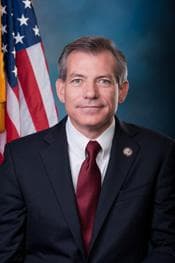
Full profile: /officials/S001183
Source: Congress.gov · FEC
Cosponsors (0)
Members who have signed on to support this bill since introduction. Source: Congress.gov.
No cosponsors on record. Bills can pass without cosponsors — this often means the sponsor introduced the bill alone, either because it's a messaging bill, a chairman's mark, or simply early in the legislative cycle.
Latest Action
The most recent step in the bill's legislative path. Committee Activity below shows referrals and reports; the full action-by-action history including floor proceedings lives at Congress.gov →
Committee Activity
Currently in
- House Committee on Energy and CommerceReferred To · 2026-02-25
Previously
- Energy and Commerce CommitteeReferred To · 2026-02-25
Plain-English Summary
This bill would crack down on fraudulent schemes and deceptive marketing in government health assistance programs like Medicaid and Medicare, making it easier to catch and punish people who trick patients or the government into paying for unnecessary or fake services. It would likely increase penalties for healthcare fraud and give authorities better tools to identify suspicious billing patterns and misleading claims. The changes would affect healthcare providers, insurance companies, and patients who rely on these programs.
AI-assisted summary generated from the official bill metadata (title, subjects, actions) sourced from Congress.gov. Cached and reviewed. Always verify against the official text linked below.
Subjects
Related legislation
Bills by the same sponsor or covering overlapping subjects.
- HR10460SMARTER ActReferred to Committee · 2026-09-16
- HR10400SMARTER ActReferred to Committee · 2026-09-15
- HR7972Taxpayer Workforce Modernization ActReferred to Committee · 2026-09-08
- HR10288Rural Broadband Modernization ActReferred to Committee · 2026-09-03