Disapproving the action of the District of Columbia Council in approving the D.C. Income and Franchise Tax Conformity and Revision Temporary Amendment Act of 2025.
Sponsor

Full profile: /officials/G000603
Source: Congress.gov · FEC
Cosponsors (1)
Members who have signed on to support this bill since introduction. Source: Congress.gov.
Latest Action
The most recent step in the bill's legislative path. Committee Activity below shows referrals and reports; the full action-by-action history including floor proceedings lives at Congress.gov →
Committee Activity
Currently in
- House Committee on Oversight and Government ReformReferred To · 2026-01-22
Previously
- Oversight and Government Reform CommitteeReferred To · 2026-01-22
Plain-English Summary
This joint resolution reinstates provisions of District of Columbia (DC) tax law to conform with federal tax law. As background, DC generally automatically adopts changes to federal tax law (known as rolling conformity). Therefore, upon enactment of the 2025 reconciliation act (commonly known as the One Big Beautiful Bill Act), many of its tax provisions became DC law. DC subsequently enacted its own legislation (the DC Income and Franchise Tax Conformity and Revision Temporary Amendment Act of 2025) that decoupled DC tax law from these federal provisions. This joint resolution nullifies the DC legislation, thereby generally realigning DC tax law with the tax provisions of the 2025 reconciliation act. Specifically, the joint resolution reinstates for DC provisions that • increase the higher basic standard deduction; • increase deductible charitable cash contributions (for taxpayers who take the standard deduction); • establish a $6,000 tax deduction for taxpayers 65 years and older; • allow a tax deduction of qualified tips, qualified overtime pay, and qualified car loan interest; • authorize an elective 100% depreciation allowance for nonresidential real property; and • authorize businesses to deduct 100% of research and experimental costs retroactive to tax year 2022. The DC legislation also amended several other provisions of DC tax law, including restoring the DC child tax credit. The joint resolution negates these changes.
Plain-English rewrite of the Congressional Research Service summary published on Congress.gov. Cached and reviewed.
How Congress Voted
Roll Call #51
PassedParty-Line Vote2026-02-03 · HouseOn Ordering the Previous Question
Providing for consideration of the Senate amendments to the bill (H.R. 7148); providing for consideration of the joint resolution (H.J.Res. 142); and providing for consideration of the bill (H.R. 4090)
Broke With Party (4)



Committee Members Who Voted (846)






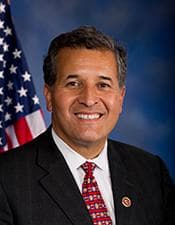








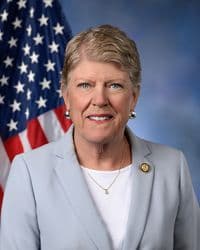










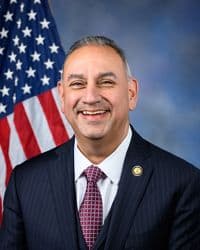
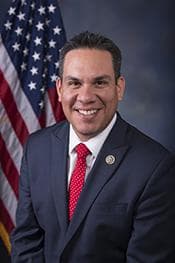








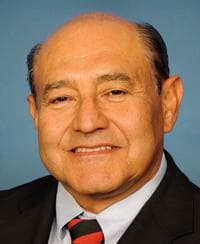
























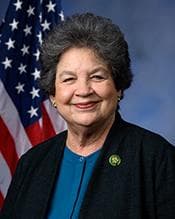






















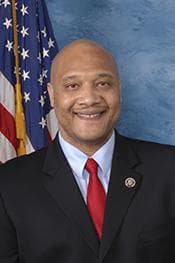

































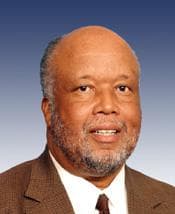







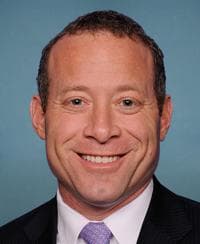
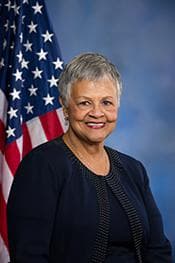








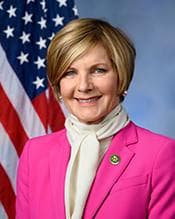











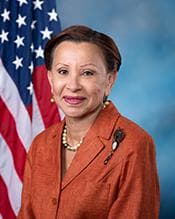




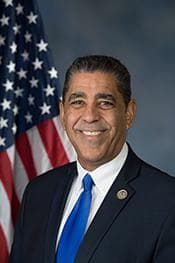






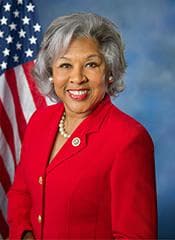










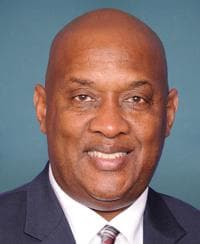










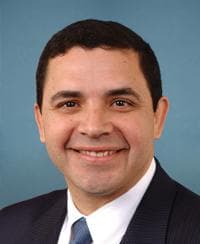
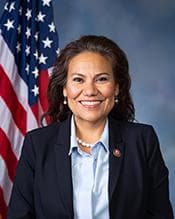



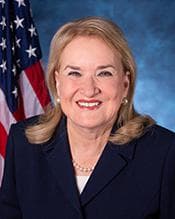






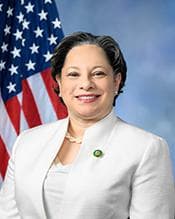










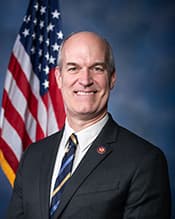
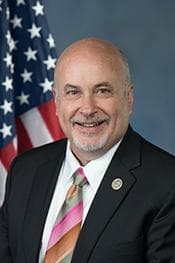









































































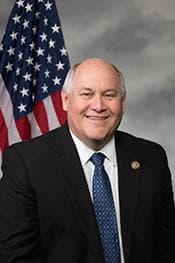























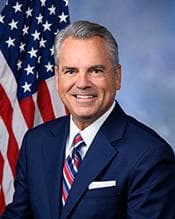



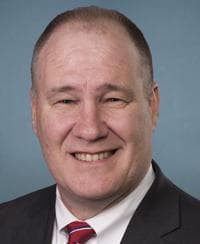


























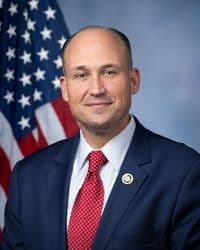









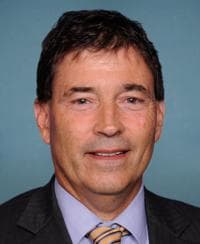





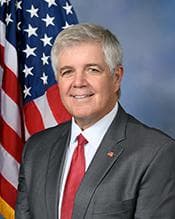





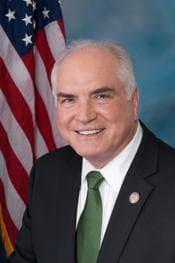


















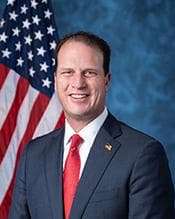






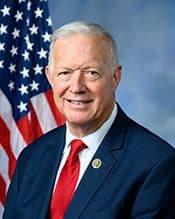




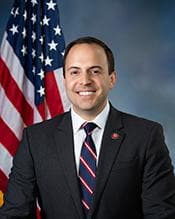




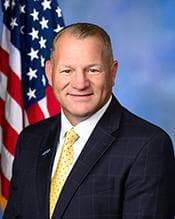





















Full Vote Breakdown (432 members)








Not Voting / Present (10)
Roll Call #52
PassedParty-Line Vote2026-02-03 · HouseOn Agreeing to the Resolution
Providing for consideration of the Senate amendments to the bill (H.R. 7148); providing for consideration of the joint resolution (H.J.Res. 142); and providing for consideration of the bill (H.R. 4090)
Broke With Party (4)
Committee Members Who Voted (846)
Full Vote Breakdown (432 members)
Who Funded the Votes?
Campaign-finance totals by industry, sourced from FEC filings, joined to vote positions from Congress.gov.
Who Funded the Votes?
Total campaign dollars received by members voting Yes vs No, grouped by industry sector.
Subjects
Related legislation
Bills by the same sponsor or covering overlapping subjects.
- HR10620Barron’s LawReferred to Committee · 2026-09-28
- HR10268Ending Restaurant Purchases with SNAP Act of 2026Referred to Committee · 2026-09-03
- HR9904Deputy Darren Almendarez ActReferred to Committee · 2026-07-23
- HR9854Citizenship Act of 2026Referred to Committee · 2026-07-22