George Floyd Justice in Policing Act of 2025
Sponsor
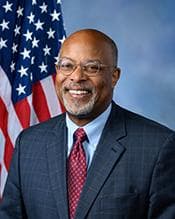
Full profile: /officials/I000058
Source: Congress.gov · FEC
Cosponsors (136)
Members who have signed on to support this bill since introduction. Source: Congress.gov.
- Adam Smith (D-WA-9)Original· 2025-09-15
- Adriano Espaillat (D-NY-13)Original· 2025-09-15
- Al Green (D-TX-9)Original· 2025-09-15
- Alexandria Ocasio-Cortez (D-NY-14)Original· 2025-09-15
- Alma S. Adams (D-NC-12)Original· 2025-09-15
- Ami Bera (D-CA-6)Original· 2025-09-15
- André Carson (D-IN-7)Original· 2025-09-15
- Ayanna Pressley (D-MA-7)Original· 2025-09-15
- Becca Balint (D-VT)Original· 2025-09-15
- Bennie G. Thompson (D-MS-2)Original· 2025-09-15
- Betty McCollum (D-MN-4)Original· 2025-09-15
- Bill Foster (D-IL-11)Original· 2025-09-15
- Bonnie Watson Coleman (D-NJ-12)Original· 2025-09-15
- Brad Sherman (D-CA-32)Original· 2025-09-15
- Bradley Scott Schneider (D-IL-10)Original· 2025-09-15
- Chellie Pingree (D-ME-1)Original· 2025-09-15
- Chrissy Houlahan (D-PA-6)Original· 2025-09-15
- Christopher R. Deluzio (D-PA-17)Original· 2025-09-15
- Danny K. Davis (D-IL-7)Original· 2025-09-15
- Darren Soto (D-FL-9)Original· 2025-09-15
- David Scott (D-GA-13)Original· 2025-09-15
- Debbie Wasserman Schultz (D-FL-25)Original· 2025-09-15
- Deborah K. Ross (D-NC-2)Original· 2025-09-15
- Delia C. Ramirez (D-IL-3)Original· 2025-09-15
- Diana DeGette (D-CO-1)Original· 2025-09-15
- Donald S. Beyer, Jr. (D-VA-8)Original· 2025-09-15
- Doris O. Matsui (D-CA-7)Original· 2025-09-15
- Dwight Evans (D-PA-3)Original· 2025-09-15
- Eleanor Holmes Norton (D-DC)Original· 2025-09-15
- Emanuel Cleaver (D-MO-5)Original· 2025-09-15
- Emily Randall (D-WA-6)Original· 2025-09-15
- Eric Swalwell (D-CA-14)Original· 2025-09-15
- Frank J. Mrvan (D-IN-1)Original· 2025-09-15
- Frederica S. Wilson (D-FL-24)Original· 2025-09-15
- Grace Meng (D-NY-6)Original· 2025-09-15
- Gregory W. Meeks (D-NY-5)Original· 2025-09-15
- Gwen Moore (D-WI-4)Original· 2025-09-15
- Haley M. Stevens (D-MI-11)Original· 2025-09-15
- Henry C. "Hank" Johnson, Jr. (D-GA-4)Original· 2025-09-15
- Ilhan Omar (D-MN-5)Original· 2025-09-15
- J. Luis Correa (D-CA-46)Original· 2025-09-15
- Jahana Hayes (D-CT-5)Original· 2025-09-15
- James E. Clyburn (D-SC-6)Original· 2025-09-15
- James P. McGovern (D-MA-2)Original· 2025-09-15
- Jamie Raskin (D-MD-8)Original· 2025-09-15
- Janice D. Schakowsky (D-IL-9)Original· 2025-09-15
- Jared Huffman (D-CA-2)Original· 2025-09-15
- Jasmine Crockett (D-TX-30)Original· 2025-09-15
- Jason Crow (D-CO-6)Original· 2025-09-15
- Jennifer L. McClellan (D-VA-4)Original· 2025-09-15
- Jerrold Nadler (D-NY-12)Original· 2025-09-15
- Jesús G. "Chuy" García (D-IL-4)Original· 2025-09-15
- Jill N. Tokuda (D-HI-2)Original· 2025-09-15
- Jim Costa (D-CA-21)Original· 2025-09-15
- Jimmy Panetta (D-CA-19)Original· 2025-09-15
- Joe Neguse (D-CO-2)Original· 2025-09-15
- John Garamendi (D-CA-8)Original· 2025-09-15
- Johnny Olszewski, Jr. (D-MD-2)Original· 2025-09-15
- Jonathan L. Jackson (D-IL-1)Original· 2025-09-15
- Joseph D. Morelle (D-NY-25)Original· 2025-09-15
- Joyce Beatty (D-OH-3)Original· 2025-09-15
- Juan Vargas (D-CA-52)Original· 2025-09-15
- Judy Chu (D-CA-28)Original· 2025-09-15
- Julia Brownley (D-CA-26)Original· 2025-09-15
- Julie Johnson (D-TX-32)Original· 2025-09-15
- Kathy Castor (D-FL-14)Original· 2025-09-15
- Kweisi Mfume (D-MD-7)Original· 2025-09-15
- LaMonica McIver (D-NJ-10)Original· 2025-09-15
- Lateefah Simon (D-CA-12)Original· 2025-09-15
- Laura Friedman (D-CA-30)Original· 2025-09-15
- Lauren Underwood (D-IL-14)Original· 2025-09-15
- Lizzie Fletcher (D-TX-7)Original· 2025-09-15
- Lloyd Doggett (D-TX-37)Original· 2025-09-15
- Lori Trahan (D-MA-3)Original· 2025-09-15
- Lucy McBath (D-GA-6)Original· 2025-09-15
- Madeleine Dean (D-PA-4)Original· 2025-09-15
- Marc A. Veasey (D-TX-33)Original· 2025-09-15
- Marilyn Strickland (D-WA-10)Original· 2025-09-15
- Mark DeSaulnier (D-CA-10)Original· 2025-09-15
- Mark Pocan (D-WI-2)Original· 2025-09-15
- Mary Gay Scanlon (D-PA-5)Original· 2025-09-15
- Maxine Waters (D-CA-43)Original· 2025-09-15
- Maxwell Frost (D-FL-10)Original· 2025-09-15
- Melanie A. Stansbury (D-NM-1)Original· 2025-09-15
- Morgan McGarvey (D-KY-3)Original· 2025-09-15
- Nancy Pelosi (D-CA-11)Original· 2025-09-15
- Nikema Williams (D-GA-5)Original· 2025-09-15
- Nydia M. Velázquez (D-NY-7)Original· 2025-09-15
- Paul Tonko (D-NY-20)Original· 2025-09-15
- Pramila Jayapal (D-WA-7)Original· 2025-09-15
- Raja Krishnamoorthi (D-IL-8)Original· 2025-09-15
- Rashida Tlaib (D-MI-12)Original· 2025-09-15
- Rick Larsen (D-WA-2)Original· 2025-09-15
- Ritchie Torres (D-NY-15)Original· 2025-09-15
- Ro Khanna (D-CA-17)Original· 2025-09-15
- Robert Garcia (D-CA-42)Original· 2025-09-15
- Robin L. Kelly (D-IL-2)Original· 2025-09-15
- Sara Jacobs (D-CA-51)Original· 2025-09-15
- Sarah McBride (D-DE)Original· 2025-09-15
- Scott H. Peters (D-CA-50)Original· 2025-09-15
- Sean Casten (D-IL-6)Original· 2025-09-15
- Seth Moulton (D-MA-6)Original· 2025-09-15
- Sheila Cherfilus-McCormick (D-FL-20)Original· 2025-09-15
- Shomari Figures (D-AL-2)Original· 2025-09-15
- Shontel M. Brown (D-OH-11)Original· 2025-09-15
- Shri Thanedar (D-MI-13)Original· 2025-09-15
- Stacey E. Plaskett (D-VI)Original· 2025-09-15
- Steny H. Hoyer (D-MD-5)Original· 2025-09-15
- Stephen F. Lynch (D-MA-8)Original· 2025-09-15
- Steve Cohen (D-TN-9)Original· 2025-09-15
- Suzan K. DelBene (D-WA-1)Original· 2025-09-15
- Sydney Kamlager-Dove (D-CA-37)Original· 2025-09-15
- Sylvia R. Garcia (D-TX-29)Original· 2025-09-15
- Ted Lieu (D-CA-36)Original· 2025-09-15
- Teresa Leger Fernandez (D-NM-3)Original· 2025-09-15
- Terri A. Sewell (D-AL-7)Original· 2025-09-15
- Troy A. Carter (D-LA-2)Original· 2025-09-15
- Valerie P. Foushee (D-NC-4)Original· 2025-09-15
- Veronica Escobar (D-TX-16)Original· 2025-09-15
- Wesley Bell (D-MO-1)Original· 2025-09-15
- Yassamin Ansari (D-AZ-3)Original· 2025-09-15
- Yvette D. Clarke (D-NY-9)Original· 2025-09-15
- Greg Casar (D-TX-35)· 2025-09-17
- Sanford D. Bishop, Jr. (D-GA-2)· 2025-09-19
- John B. Larson (D-CT-1)· 2025-10-10
- Jimmy Gomez (D-CA-34)· 2025-10-31
- Donald Norcross (D-NJ-1)· 2025-12-10
- Christian D. Menefee (D-TX-18)· 2026-03-24
- James R. Walkinshaw (D-VA-11)· 2026-03-24
- Sarah Elfreth (D-MD-3)· 2026-03-24
Latest Action
The most recent step in the bill's legislative path. Committee Activity below shows referrals and reports; the full action-by-action history including floor proceedings lives at Congress.gov →
Referred to the Committee on the Judiciary, and in addition to the Committees on Armed Services, and Energy and Commerce, for a period to be subsequently determined by the Speaker, in each case for consideration of such provisions as fall within the jurisdiction of the committee concerned.
2025-09-15
Source: Congress.gov
Committee Activity
Currently in
- House Committee on the JudiciaryReferred To · 2025-09-15
- House Committee on Energy and CommerceReferred To · 2025-09-15
- House Committee on Armed ServicesReferred To · 2025-09-15
Previously
- Energy and Commerce CommitteeReferred To · 2025-09-15
- Armed Services CommitteeReferred To · 2025-09-15
- Judiciary CommitteeReferred To · 2025-09-15
Plain-English Summary
George Floyd Justice in Policing Act of 2025 This bill addresses a wide range of policies and issues regarding policing practices and law enforcement accountability. It increases accountability for law enforcement misconduct, restricts the use of certain policing practices, enhances transparency and data collection, and establishes best practices and training requirements. The bill enhances existing enforcement mechanisms to remedy violations by law enforcement. Among other things, it does the following: lowers the criminal intent standard—from willful to knowing or reckless—to convict a law enforcement officer for misconduct in a federal prosecution, limits qualified immunity as a defense to liability in a private civil action against a law enforcement officer, and grants administrative subpoena power to the Department of Justice (DOJ) in pattern-or-practice investigations. It establishes a framework to prevent and remedy racial profiling by law enforcement at the federal, state, and local levels. It also limits the unnecessary use of force and restricts the use of no-knock warrants, chokeholds, and carotid holds. The bill creates a national registry—the National Police Misconduct Registry—to compile data on complaints and records of police misconduct. It also establishes new reporting requirements, including on the use of force, officer misconduct, and routine policing practices (e.g., stops and searches). Finally, it directs DOJ to create uniform accreditation standards for law enforcement agencies and requires law enforcement officers to complete training on racial profiling, implicit bias, and the duty to intervene when another officer uses excessive force.
Plain-English rewrite of the Congressional Research Service summary published on Congress.gov. Cached and reviewed.
Subjects
Related legislation
Bills by the same sponsor or covering overlapping subjects.
- HR10445Inspectors General Modernization ActReferred to Committee · 2026-09-16
- HR2368Raise the Age Act of 2025Referred to Committee · 2025-03-26