HR7148Enacted into Law
Consolidated Appropriations Act, 2026
Introduced
In Committee
Passed One Chamber
Passed Both
Signed into Law
119th
Congress
2026-01-20
Introduced
0
Cosponsors
HR
ⓘType
Sponsor
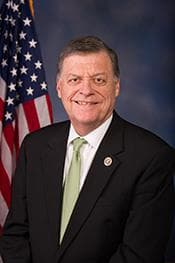
Tom Cole
Republican · OK · Representative
Votes with party: 97.1% (665 recorded votes)
Full profile: /officials/C001053
Source: Congress.gov · FEC
Cosponsors (0)
Members who have signed on to support this bill since introduction. Source: Congress.gov.
No cosponsors on record. Bills can pass without cosponsors — this often means the sponsor introduced the bill alone, either because it's a messaging bill, a chairman's mark, or simply early in the legislative cycle.
Latest Action
The most recent step in the bill's legislative path. Committee Activity below shows referrals and reports; the full action-by-action history including floor proceedings lives at Congress.gov →
Committee Activity
Currently in
- House Committee on AppropriationsReferred To · 2026-01-20
- House Committee on Ways and MeansReferred To · 2026-01-20
- House Committee on the BudgetReferred To · 2026-01-20
Previously
- Budget CommitteeReferred To · 2026-01-20
- Ways and Means CommitteeReferred To · 2026-01-20
- Appropriations CommitteeReferred To · 2026-01-20
Plain-English Summary
Consolidated Appropriations Act, 2026 This bill provides appropriations to several federal departments and agencies for the remainder of FY2026 and provides continuing FY2026 appropriations for the Department of Homeland Security (DHS) through February 13, 2026. It also extends various expiring programs and authorities. Specifically, the bill includes 5 of the 12 regular FY2026 appropriations bills: the Department of Defense Appropriations Act, 2026; the Departments of Labor, Health and Human Services, and Education, and Related Agencies Appropriations Act, 2026; the Transportation, Housing and Urban Development, and Related Agencies Appropriations Act, 2026; the Financial Services and General Government Appropriations Act, 2026; and the National Security, Department of State, and Related Programs Appropriations Act, 2026. The departments, agencies, and activities funded in the bill include the Department of Defense, the Department of Labor, the Department of Health and Human Services, the Department of Education, the Department of Transportation, the Department of Housing and Urban Development, the Department of the Treasury, the Executive Office of the President, the judiciary, the District of Columbia, the Department of State and related programs, the administration and oversight of foreign assistance programs, bilateral economic assistance, international security assistance, multilateral assistance, export and investment assistance, and several related and independent agencies. In addition, the bill includes a continuing resolution (CR) that provides continuing FY2026 appropriations to DHS through the earlier of February 13, 2026, or the enactment of the DHS appropriations act. The CR funds most DHS programs and activities at the FY2025 levels. The bill also extends several expiring programs and authorities, including the U.S. Grain Standards Act; the Commodity Futures Trading Commission’s whistleblower program; the National Flood Insurance Program; the Forest Service's participation in the Agriculture Conservation Experienced Services Program; the Transportation Security Administration’s Reimbursable Screening Services Program; the Motor Carrier Safety Advisory Committee; several authorities and programs related to cybersecurity; the technology modernization fund and board; the U.S. Parole Commission; the special assessment on nonindigent persons or entities convicted of certain offenses involving sexual abuse or human trafficking; several immigration-related programs and authorities; the authority for the U.S. Sentencing Commission to promulgate certain guidelines or amendments related to the use of unmanned aircraft; certain bankruptcy fees; trade preferences for Haiti and countries in sub-Saharan Africa; the Temporary Assistance for Needy Families (TANF) program; and several health care authorities and programs.
Plain-English rewrite of the Congressional Research Service summary published on Congress.gov. Cached and reviewed.
How Congress Voted
Roll Call #41
PassedParty-Line Vote2026-01-22 · HouseOn Agreeing to the Resolution, as Amended
Providing for consideration of the bill (H.R. 7148) the Consolidated Appropriations Act, 2026; providing for consideration of the bill (H.R. 7147) the Department of Homeland Security Appropriations Act, 2026; and for other purposes
D: 0 Yes / 213 NoR: 214 Yes / 0 No
Total: 214 Yes / 213 No / 4 Not Voting
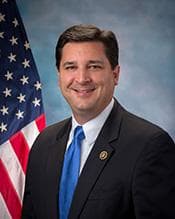
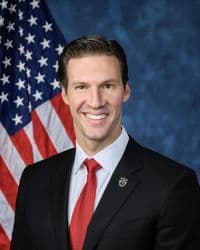
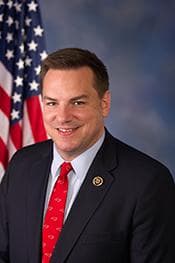
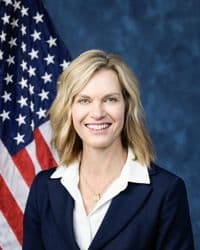
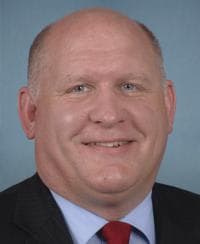
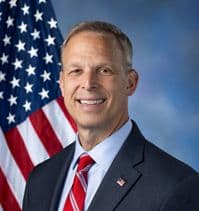
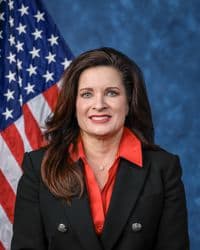
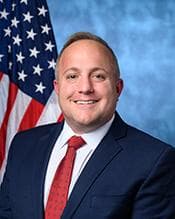
Broke With Party (2)

Committee Members Who Voted (844)








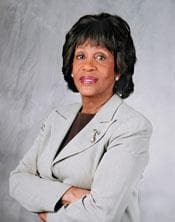
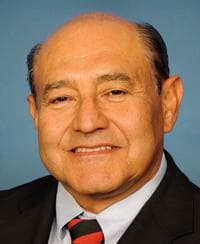
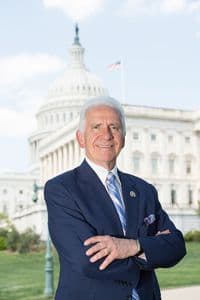
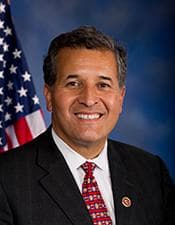



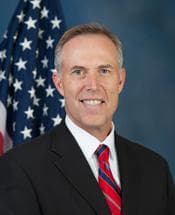

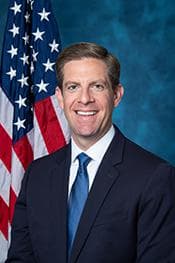
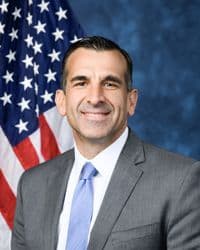
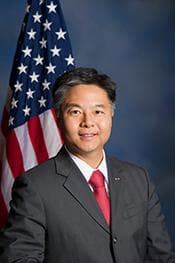
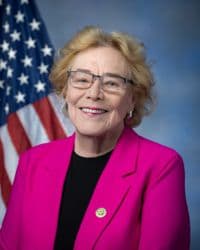
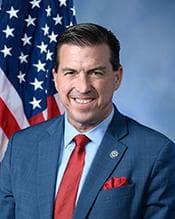
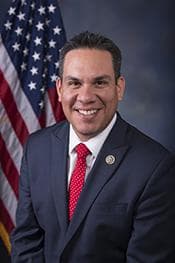
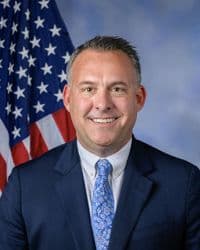

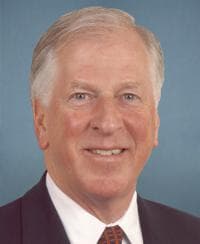
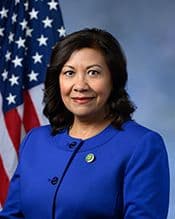
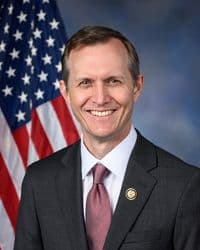


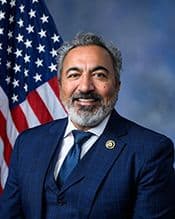
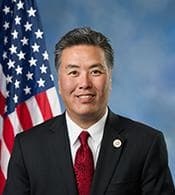
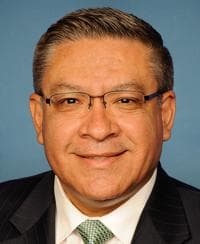
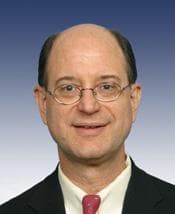

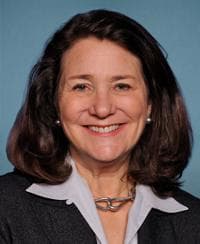


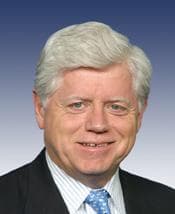


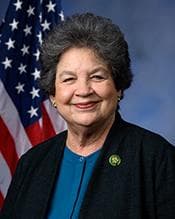

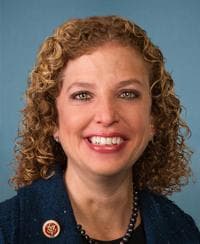
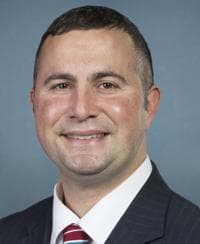


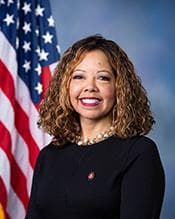
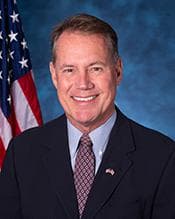

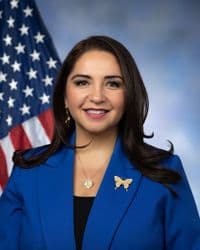

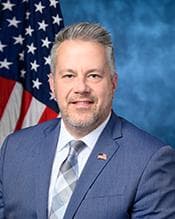

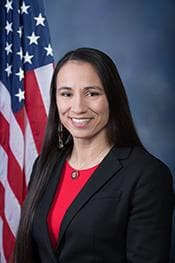
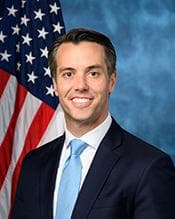
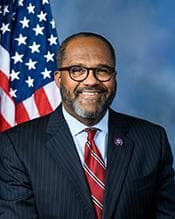
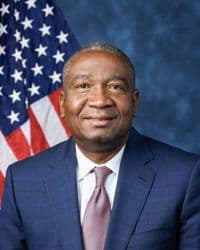
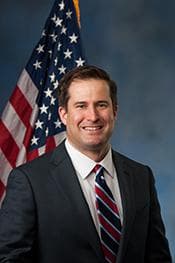
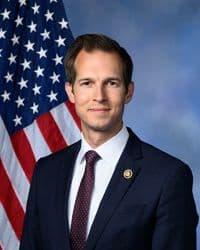
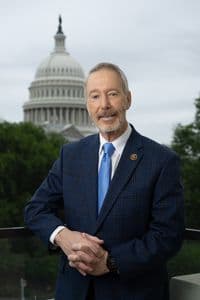






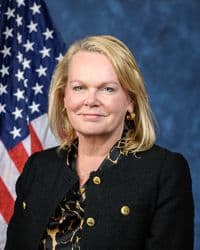
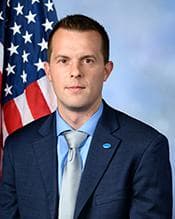
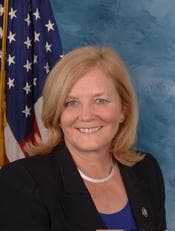




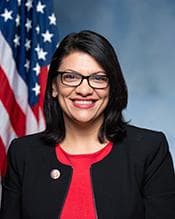
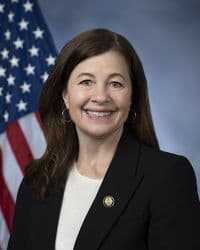
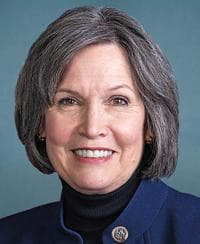
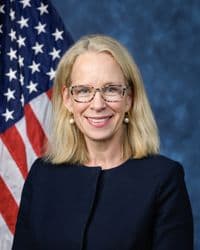
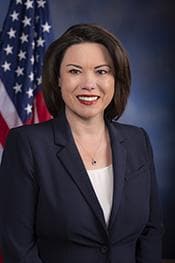




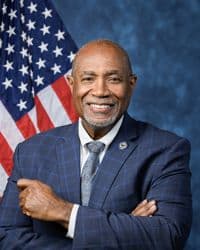
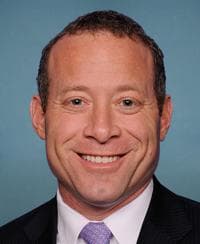
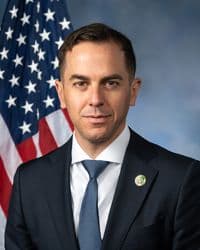
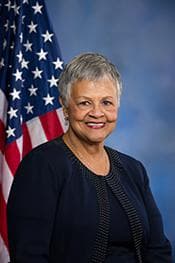



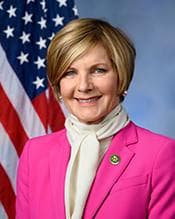
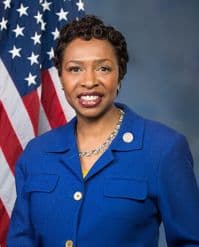
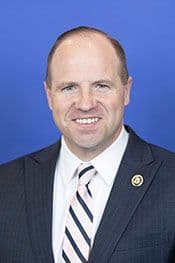

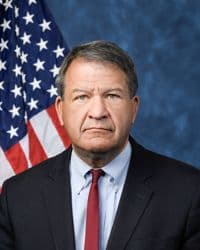
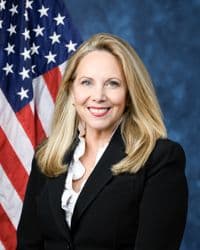
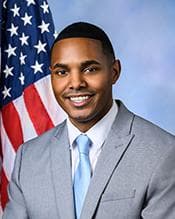
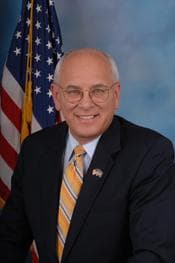
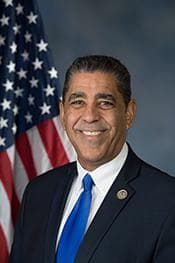
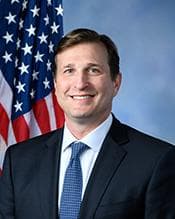
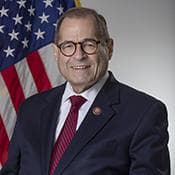
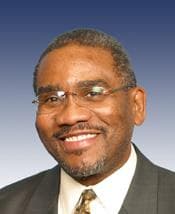
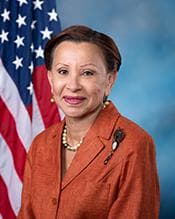
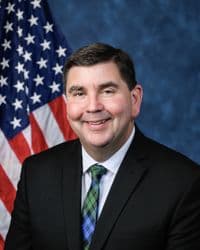



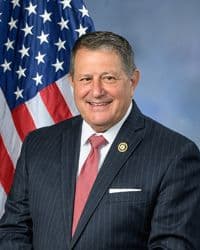
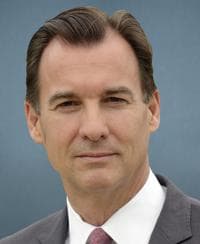
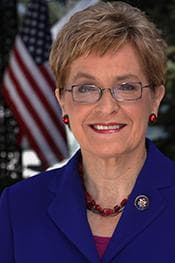






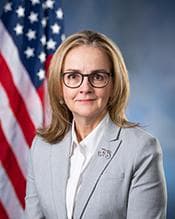


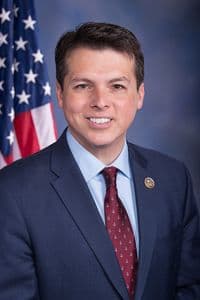
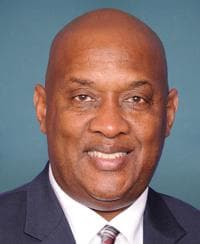

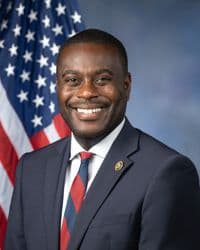








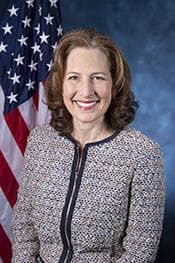
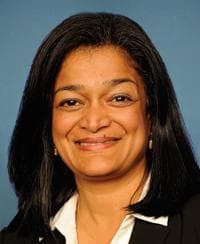
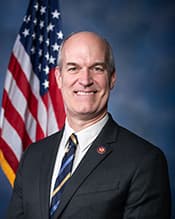
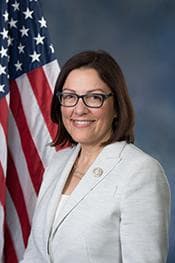


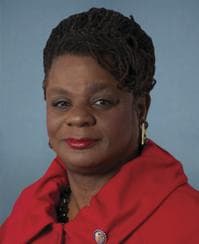
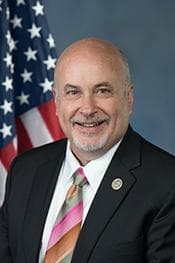


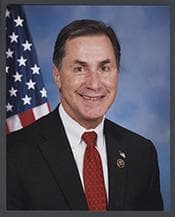

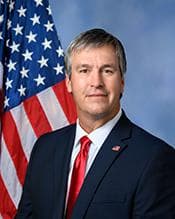

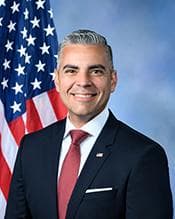

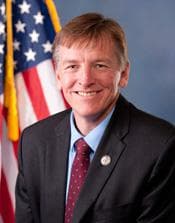
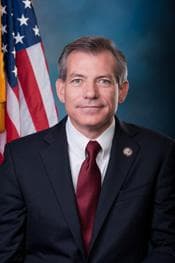



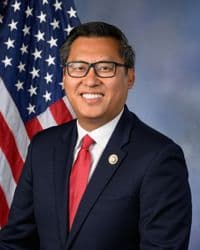








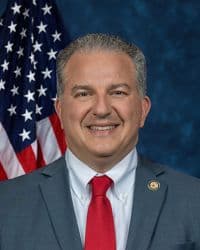
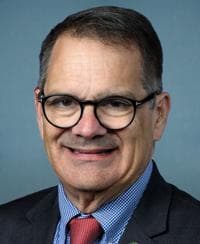
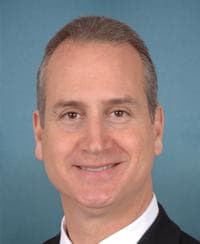
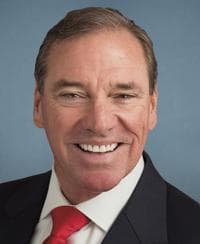













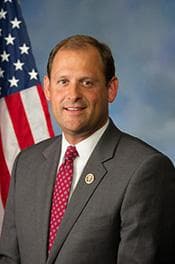
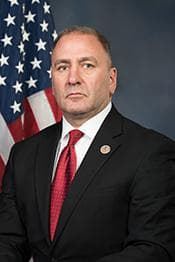

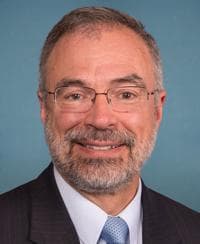
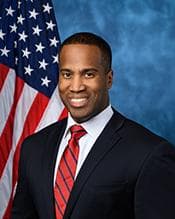



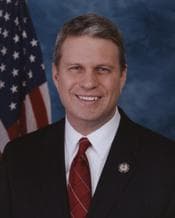
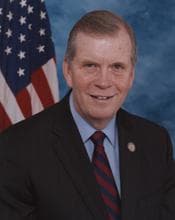
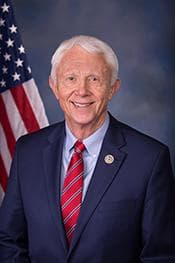
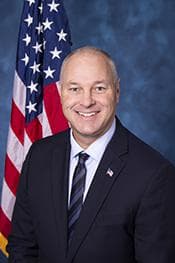
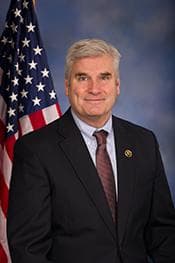
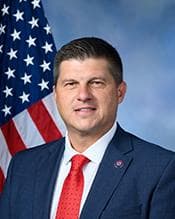
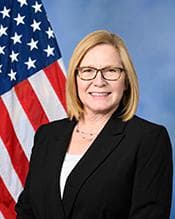

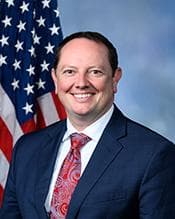
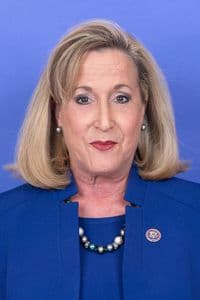
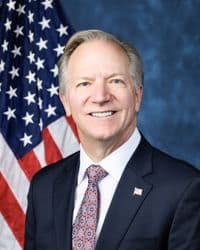
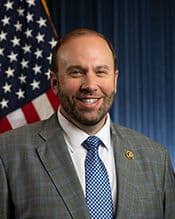
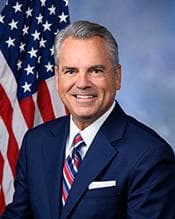









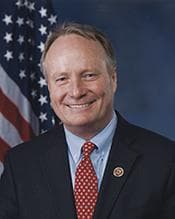

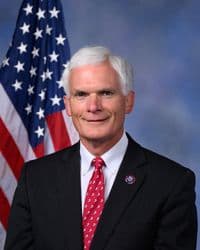
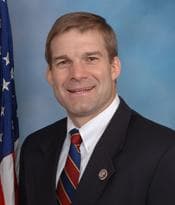
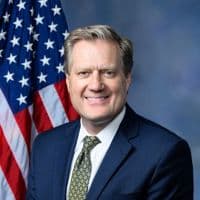
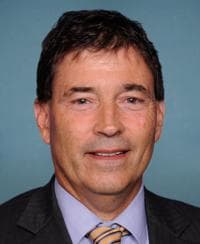
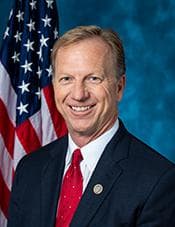

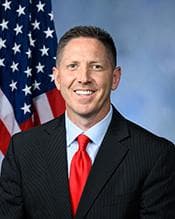
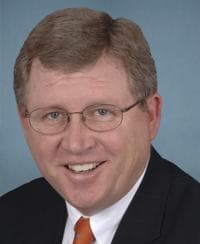
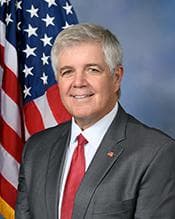
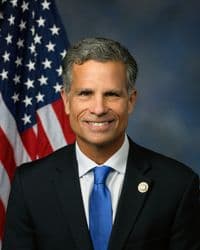
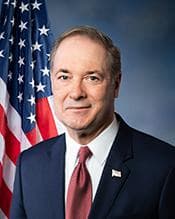
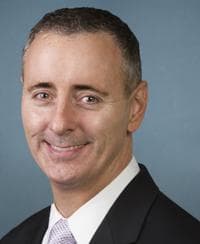



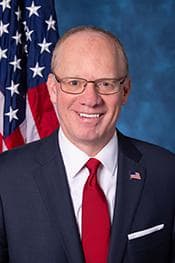

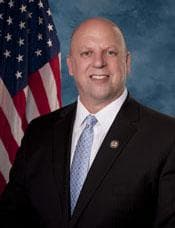
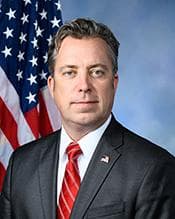

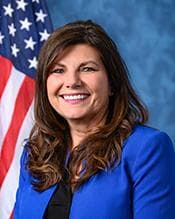
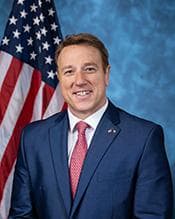

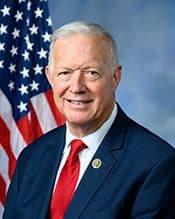




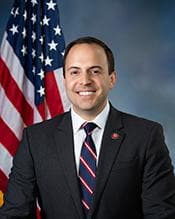
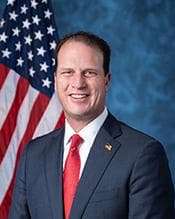

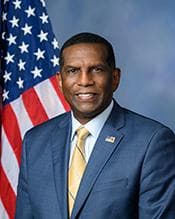


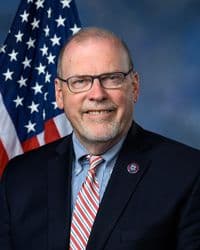
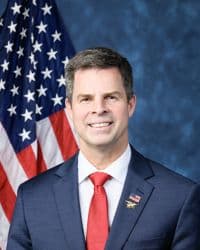
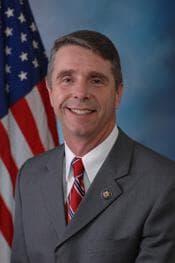

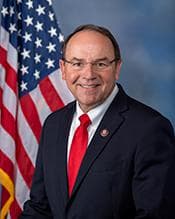

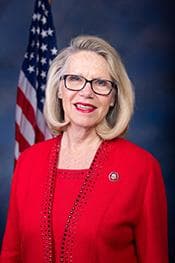
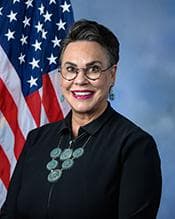
Full Vote Breakdown (431 members)
Yes (214)
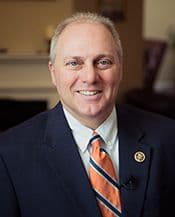

No (213)

Not Voting / Present (4)
Roll Call #39
PassedParty-Line Vote2026-01-22 · HouseOn Ordering the Previous Question
Providing for consideration of the bill (H.R. 7148) the Consolidated Appropriations Act, 2026; providing for consideration of the bill (H.R. 7147) the Department of Homeland Security Appropriations Act, 2026; and for other purposes
D: 0 Yes / 213 NoR: 215 Yes / 0 No
Total: 215 Yes / 213 No / 3 Not Voting
Broke With Party (2)
Committee Members Who Voted (844)
Full Vote Breakdown (431 members)
Yes (215)
No (213)
Not Voting / Present (3)
Who Funded the Votes?
Campaign-finance totals by industry, sourced from FEC filings, joined to vote positions from Congress.gov.
Who Funded the Votes?
Total campaign dollars received by members voting Yes vs No, grouped by industry sector.
Voted Yes
$2.2Macross 215 members
Conservative Groups$1.0M
47% of this group's total
Crypto & Digital Assets$920K
42% of this group's total
Veterans$138K
6% of this group's total
Finance & Banking$74K
3% of this group's total
Real Estate$48K
2% of this group's total
Voted No
$361Kacross 213 members
Progressive Groups$167K
46% of this group's total
Climate & Environment$79K
22% of this group's total
Crypto & Digital Assets$55K
15% of this group's total
Veterans$40K
11% of this group's total
LGBTQ+$20K
6% of this group's total
Subjects
Economics and Public Finance
Full bill text is not yet cached locally.
Related legislation
Bills by the same sponsor or covering overlapping subjects.
- HRES1500Congratulating the University of Oklahoma baseball team for winning the 2026 Men's College World Series.Referred to Committee · 2026-08-31
- HR2827To provide for the equitable settlement of certain Indian land disputes regarding land in Illinois, and for other purposes.Reported by Committee · 2026-08-20
- HR9770Continuing Appropriations Act, 2027Passed House · 2026-07-22
- HR9187Bipartisan Social Security Commission Act of 2026Referred to Committee · 2026-06-08