Punishing Health Care Fraudsters Act
Sponsor
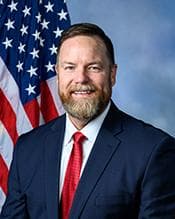
Full profile: /officials/B001314
Source: Congress.gov · FEC
Cosponsors (0)
Members who have signed on to support this bill since introduction. Source: Congress.gov.
No cosponsors on record. Bills can pass without cosponsors — this often means the sponsor introduced the bill alone, either because it's a messaging bill, a chairman's mark, or simply early in the legislative cycle.
Latest Action
The most recent step in the bill's legislative path. Committee Activity below shows referrals and reports; the full action-by-action history including floor proceedings lives at Congress.gov →
Referred to the Committee on the Judiciary, and in addition to the Committees on Energy and Commerce, and Ways and Means, for a period to be subsequently determined by the Speaker, in each case for consideration of such provisions as fall within the jurisdiction of the committee concerned.
2026-02-13
Source: Congress.gov
Plain-English Summary
This bill would increase criminal penalties for people and companies that commit fraud in the health care system, such as billing for services that were never provided or overcharging insurance programs. The stricter punishments would apply to doctors, hospitals, insurance companies, and other health care providers caught cheating the system. The goal is to deter health care fraud and protect patients and taxpayers from losing money to dishonest practices.
AI-assisted summary generated from the official bill metadata (title, subjects, actions) sourced from Congress.gov. Cached and reviewed. Always verify against the official text linked below.
Subjects
Related legislation
Bills by the same sponsor or covering overlapping subjects.
- HR4093Apples to Apples Comparison Act of 2025Referred to Committee · 2026-09-16
- HR9895American Dream Accounts Act of 2026Referred to Committee · 2026-07-23
- HR9455SMOOTH Payments ActReferred to Committee · 2026-06-25
- HR9174Digital Assets Voluntary Disclosure Program ActReferred to Committee · 2026-06-08