21st Century Dyslexia Act
Sponsor
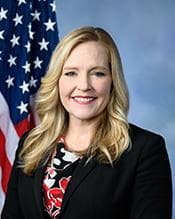
Full profile: /officials/H001093
Source: Congress.gov · FEC
Cosponsors (7)
Members who have signed on to support this bill since introduction. Source: Congress.gov.
7 cosponsors on record at Congress.gov. The named list is syncing into Govwatch and will appear here shortly — view on Congress.gov in the meantime.
Latest Action
The most recent step in the bill's legislative path. Committee Activity below shows referrals and reports; the full action-by-action history including floor proceedings lives at Congress.gov →
Committee Activity
Currently in
- House Committee on Education and WorkforceReferred To · 2025-10-17
Plain-English Summary
21st Century Dyslexia Act This bill addresses the education of children with disabilities, with a particular focus on children with dyslexia. Currently, dyslexia is listed as one of the disabilities under the definition of specific learning disability in the Individuals with Disabilities Education Act (IDEA). This bill instead removes dyslexia from the definition of specific learning disability and establishes a stand-alone definition for dyslexia within the IDEA. Specifically, the bill defines dyslexia for purposes of the IDEA as an unexpected difficulty in reading for an individual who has the intelligence to be a much better reader, most commonly caused by a difficulty in the phonological processing (the appreciation of the individual sounds of spoken language), which affects the ability of an individual to speak, read, and spell. Additionally, the bill requires a local educational agency or other agency, in determining eligibility for or providing an accommodation or service under the IDEA, to provide equal access to (1) children from low-income families, (2) children from families with low socioeconomic status, and (3) children who are limited English proficient.
Plain-English rewrite of the Congressional Research Service summary published on Congress.gov. Cached and reviewed.
Subjects
Related legislation
Bills by the same sponsor or covering overlapping subjects.
- HR7890Science of Reading Act of 2026Passed House · 2026-09-17
- HR9191National Fossil Act of 2026Passed House · 2026-09-17
- HR4950Data BRIDGE ActReported by Committee · 2026-09-16
- HR1033716 & Up Social Media ActReferred to Committee · 2026-09-10