Recognizing the significant and often overlooked behavioral health needs experienced by individuals and families affected by rare diseases, and for other purposes.
Sponsor
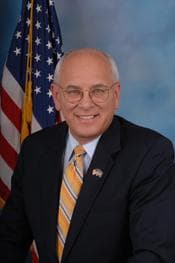
Full profile: /officials/T000469
Source: Congress.gov · FEC
Cosponsors (1)
Members who have signed on to support this bill since introduction. Source: Congress.gov.
Latest Action
The most recent step in the bill's legislative path. Committee Activity below shows referrals and reports; the full action-by-action history including floor proceedings lives at Congress.gov →
Committee Activity
Currently in
- House Committee on Energy and CommerceReferred To · 2026-05-14
Plain-English Summary
The measure calls attention to the mental health and emotional challenges faced by people living with rare diseases and their families, who often struggle with depression, anxiety, and isolation alongside their medical conditions. It aims to increase awareness of these behavioral health needs and encourage better support systems, counseling services, and resources for this overlooked population. The resolution has been sent to the House Committee on Energy and Commerce for consideration.
AI-assisted summary generated from the official bill metadata (title, subjects, actions) sourced from Congress.gov. Cached and reviewed. Always verify against the official text linked below.
Subjects
Full Bill Text
Verbatim text published on Congress.gov via GovInfo. Use Cmd+F / Ctrl+F to search within this excerpt.
[Congressional Bills 119th Congress] [From the U.S. Government Publishing Office] [H. Res. 1290 Introduced in House (IH)] <DOC> 119th CONGRESS 2d Session H. RES. 1290 Recognizing the significant and often overlooked behavioral health needs experienced by individuals and families affected by rare diseases, and for other purposes. _______________________________________________________________________ IN THE HOUSE OF REPRESENTATIVES May 14, 2026 Mr. Tonko (for himself and Mr. Bacon) submitted the following resolution; which was referred to the Committee on Energy and Commerce _______________________________________________________________________ RESOLUTION Recognizing the significant and often overlooked behavioral health needs experienced by individuals and families affected by rare diseases, and for other purposes. Whereas rare diseases affect an estimated 25,000,000 to 30,000,000 Americans, more than half of whom are children, and many of the individuals and families affected by rare diseases experience yearslong diagnostic journeys marked by uncertainty, misdiagnosis, and delayed treatment; Whereas behavioral health conditions, including anxiety, depression, trauma- related symptoms, and caregiver burnout, are common for rare disease patients and caregivers, and such conditions are the predictable consequences of the structural challenges inherent in rare disease care rather than reflections of a personal weakness; Whereas access to behavioral health care for rare disease patients and caregivers remains limited due to the shortages of trained clinicians, geographic barriers, low reimbursement rates, and fragmented care models that rarely integrate behavioral health; Whereas peer support programs have demonstrated significant benefit in reducing isolation, improving coping skills, and strengthening community resilience for rare disease patients and caregivers, yet such programs remain inconsistently available, unstandardized, and insufficiently supported across States and health systems; Whereas culturally competent and culturally humble behavioral health care for individuals and families affected by rare diseases is essential to ensuring equitable access, reducing disparities, and meeting the needs of diverse communities that are disproportionately affected by delayed diagnoses, stigma, and systemic barriers; Whereas the behavioral health workforce faces ongoing shortages, particularly in child and adolescent psychiatry, psychology, social work, and community- based behavioral health roles, limiting the availability of specialized care for rare disease families; Whereas payor challenges, including low reimbursement rates, administrative burden, and limited coverage for integrated behavioral health, further restrict access to timely, high-quality behavioral health services; and Whereas continuing medical education on rare diseases and their behavioral health implications is limited, and incentivizing such continuing medical education would strengthen clinician preparedness, improve diagnostic accuracy, and enhance whole-person care: Now, therefore, be it Resolved, That the House of Representatives-- (1) recognizes the significant and often overlooked behavioral health needs experienced by individuals and families affected by rare diseases; (2) affirms that behavioral health care is an essential component of comprehensive rare disease care and should be integrated into clinical pathways, research agendas, and Federal policies; (3) calls upon Federal agencies, including the Department of Health and Human Services, the National Institutes of Health, and the Centers for Medicare & Medicaid Services, to prioritize behavioral health access within rare disease initiatives, research funding, and care delivery models; (4) encourages the development and expansion of standardized, evidence-informed peer support programs for rare disease patients, caregivers, and families, including support for virtual and community-based models; (5) supports efforts to strengthen cultural competency and cultural humility across the behavioral health and rare disease workforce, including training, community partnerships, and equitable access initiatives; (6) urges investment in the behavioral health workforce, particularly child and adolescent providers, to ensure adequate capacity to meet the needs of rare disease families; (7) recommends that public and private payors evaluate and address reimbursement barriers that limit access to integrated behavioral health services for rare disease patients; (8) encourages the creation of Federal incentives for clinicians to pursue…
Show the remaining 44 wordsHide the remaining 44 words
continuing medical education on rare diseases, including their psychiatric and psychosocial dimensions; and (9) supports ongoing collaboration among Federal agencies, patient advocacy organizations, academic institutions, and community partners to develop comprehensive strategies that address the behavioral health needs of the rare disease community. <all>
Related legislation
Bills by the same sponsor or covering overlapping subjects.
- HR10611TIME Act of 2026Referred to Committee · 2026-09-24
- HRES1555Supporting the designation of September 20, 2026, as "Pharmacy Workforce Suicide Awareness Day" to raise awareness of, and promote a national discussion about, pharmacy workforce suicide and to reduce the stigma of mental health conditions, and for other purposes.Referred to Committee · 2026-09-16
- HR10468State Energy Oversight Act of 2026Referred to Committee · 2026-09-16
- HR10469Regional Energy Hubs Act of 2026Referred to Committee · 2026-09-16