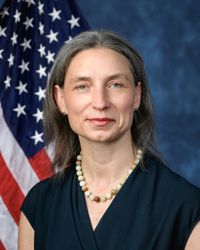
Maxine Dexter
DDemocratOR-3 · Representative
54
/ 100
Average
Attendance99
Avg: 96
Independence3
Avg: 4
Bipartisan Tone7
Avg: 15
Ethics Record100
Avg: 99
Transparency48
Avg: 53
Accountability Score — composite of attendance, independence, bipartisan tone, ethics record & transparency.
Methodology17
Bills Sponsored
1
Enacted into Law
0
Passed a Chamber
15
In Committee
Bills That Became Law
All Sponsored Bills
HR10492In Committee
Wildland Firefighter Health and Safety Act
HR10256In Committee
Taxpayer Relief from Big Oil Act
HR10255In Committee
Penalties for Polluters Act
HR9510In Committee
VHA OPEN Policies Act of 2026
The Department of Veterans Affairs would be required to publish all of its national health policies online so that veterans, their families, and the public can easily access and review them. Currently, many of these policies exist but aren't readily available to the public, making it difficult for veterans to understand what rules and procedures guide their healthcare. This change would increase transparency and help veterans know what to expect when they use VA health services.
HR9270In Committee
Dignity and Due Process for Children Act of 2026
This bill would change how the government enforces immigration laws when dealing with children who arrive in the United States without a parent or guardian. The legislation would affect unaccompanied minors, immigration enforcement agencies, and potentially the military, giving them new rules or procedures for handling these cases.
HR9140In Committee
MEDIC Careers Act of 2026
Military medics and combat medics would get better help transitioning to civilian healthcare jobs after leaving the armed forces, including assistance with licensing, certification, and job placement with hospitals and clinics. The Defense and Homeland Security departments would work together to streamline the process of converting military medical training into civilian credentials so these experienced healthcare workers can more easily find employment in the private sector. This would help both the military personnel find good jobs after service and address healthcare worker shortages in civilian hospitals and medical facilities.
HR3869In Committee
Every Veteran Housed Act
This bill aims to ensure that homeless veterans have access to stable housing by establishing or expanding federal programs to provide housing assistance specifically for former military members. The legislation would likely direct funding and resources toward helping veterans transition from homelessness to permanent homes, potentially through partnerships with housing organizations and local governments. Veterans struggling with housing instability would be the primary beneficiaries of these new or enhanced support programs.
HCONRES91In Committee
Directing the President, pursuant to section 5(c) of the War Powers Resolution, to remove United States Armed Forces from hostilities with Iran.
This concurrent resolution directs the President to remove U.S. Armed Forces from hostilities against Iran or any part of its government or military unless a declaration of war or authorization to use military force for such purpose has been enacted. The resolution specifies that it shall not be construed to prevent the United States from defending itself, its Armed Forces, its diplomatic facilities, or allied states from imminent attack.
HR8370In Committee
Dietary Supplement Listing Act of 2026
Dietary supplement manufacturers would be required to register their products with the FDA and provide information about what's in them, making it easier for the government and consumers to track which supplements are on the market and what they contain. Currently, supplements don't need this kind of pre-market approval or registration that drugs do, so this change would bring more oversight to an industry that affects millions of Americans who take vitamins, herbs, and other wellness products.
HRES1169In Committee
Honoring the 2026 Olympians and Paralympians from Oregon.
This resolution honors Oregon athletes who will compete in the 2026 Olympic and Paralympic Games, recognizing their achievements and representing the state's support for these competitors. The measure is largely ceremonial and does not create new laws or funding, but instead formally acknowledges the accomplishments of these athletes at the national level.
HR8099In Committee
Plug Offshore Wells Act
The federal government would be required to publish an annual public report detailing the status and progress of removing abandoned offshore oil and gas infrastructure, including wells, platforms, and pipelines from U.S. waters. This transparency measure would help Congress and the public track how quickly and effectively the government is cleaning up old energy facilities that are no longer in use. The requirement applies to the Secretary of the Interior, the official responsible for managing federal ocean resources.
HR7980In Committee
Protecting Americans from Unsafe Drugs Act of 2026
This bill would strengthen the Food and Drug Administration's ability to remove dangerous medications from the market more quickly and require drug manufacturers to report safety problems faster to federal regulators. It would affect pharmaceutical companies, patients taking medications, and healthcare providers by establishing stricter standards for keeping unsafe drugs available to the public. The goal is to prevent people from being harmed by medications that pose serious health risks.
HR7573In Committee
Modernize SSI Stipends Act
This bill would increase the monthly payments that Supplemental Security Income (SSI) provides to elderly people and individuals with disabilities who have limited income and resources. The higher stipends would help these vulnerable populations keep up with rising living costs and afford basic necessities like food, housing, and medical care. The bill is currently under review by the House Ways and Means Committee.
HR4446Enacted
FAST VETS Act
Focused Assistance and Skills Training for Veterans' Employment and Transition Success Act or the FAST VETS Act This act establishes conditions under which a veteran's individualized vocational rehabilitation plan (under the Veteran Readiness and Employment program) must be redeveloped. The program provides job training and employment-related services to veterans with service-connected disabilities. Currently, the Department of Veterans Affairs (VA) must formulate and annually review an individualized vocational rehabilitation plan for veterans who have a serious employment handicap and have a reasonably feasible vocational goal. The act provides that such plan must be redeveloped with the veteran if the VA determines the achievement of the long-range rehabilitation goals for the veteran are no longer feasible due to changes in the employment handicap of the veteran and are more likely under a different plan.
HR6977In Committee
Better Care for PFAS Patients Act of 2026
This bill would require the federal government to improve medical care and support for people exposed to PFAS (a group of toxic chemicals found in drinking water, food packaging, and other products). It likely directs health agencies to develop better screening, treatment, and monitoring programs for patients suffering from PFAS-related illnesses, and may establish funding or resources to help affected communities access healthcare services.
HR5941In Committee
Restoring Access for Detainees Act
This bill would restore certain legal rights and access to legal representation for people detained by immigration authorities. It likely aims to address restrictions on detainees' ability to communicate with lawyers, family members, or advocates while in government custody. The changes would primarily affect immigrants in detention facilities and their access to the legal system.
HR4493Introduced
Climate Health Emergency Act of 2025
This bill would establish climate change as a public health emergency and likely direct federal health agencies to develop programs addressing health risks from climate impacts like extreme heat, air pollution, and disease spread. It would probably fund research, training, and community health initiatives to help doctors and public health officials prepare for and respond to climate-related health threats affecting patients across the country.