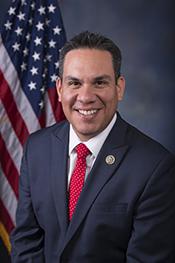
Pete Aguilar
DDemocratCA-33 · Representative
54
/ 100
Average
Attendance99
Avg: 96
Independence2
Avg: 4
Bipartisan Tone3
Avg: 15
Ethics Record100
Avg: 99
Transparency57
Avg: 53
Accountability Score — composite of attendance, independence, bipartisan tone, ethics record & transparency.
Methodology16
Bills Sponsored
0
Enacted into Law
14
Passed a Chamber
2
In Committee
All Sponsored Bills
HRES1202Passed House
Electing a Member to a certain standing committee of the House of Representatives.
The House of Representatives voted to elect a member to fill a vacant position on one of its standing committees, which are the permanent panels that handle specific areas like taxes, defense, or healthcare. This is a routine procedural action that allows the House to maintain full membership on its committees so they can continue their work reviewing and drafting legislation. The motion to reconsider the vote was rejected, finalizing the election.
HRES1048Passed House
Electing a Member to a certain standing committee of the House of Representatives.
This measure allows the House of Representatives to elect a new member to fill a vacant seat on one of its standing committees, which are the permanent panels that handle specific areas like healthcare, defense, or taxes. The election would follow standard House procedures and requires approval from the full chamber. This type of action typically happens when a committee member leaves office, switches committees, or when party leadership wants to adjust committee assignments.
HRES954Passed House
Electing a Member to a certain standing committee of the House of Representatives.
The House of Representatives voted to elect a member to fill a vacant position on one of its standing committees, which are permanent groups that handle specific areas like taxes, defense, or healthcare. This is a routine procedural action that allows the committee to operate at full strength and continue its work on legislation and oversight. The motion to reconsider the vote was rejected, finalizing the election.
HRES890In Committee
Expressing support for the designation of November 19, 2025, as "National GIS Day".
This resolution supports the designation of National GIS Day and encourages the continued use of geographic information system (GIS) technology to learn, address societal challenges, and drive economic growth.
HRES721Passed House
Electing Members to certain standing committees of the House of Representatives.
The House of Representatives approved assignments of members to specific standing committees, which are the permanent panels that handle different areas of legislation like healthcare, defense, and taxes. These committee positions determine which lawmakers will review and debate bills in their assigned areas before they go to the full House for a vote. The motion to reconsider was rejected, finalizing these committee assignments.
HRES538Passed House
Ranking a Certain Member on a certain standing committee of the House of Representatives.
The House of Representatives voted to assign a specific member to a particular ranking position on one of its standing committees. This type of action determines which party member holds leadership roles within committees that handle different areas of policy like healthcare, defense, or taxes. The motion to reconsider was rejected, making the assignment official.
HRES430Passed House
Electing Members to certain standing committees of the House of Representatives.
The House of Representatives voted to fill open positions on several of its standing committees, which are the permanent groups that handle different areas of legislation like healthcare, defense, and taxes. Committee assignments determine which lawmakers get to shape bills in their areas of responsibility and influence which proposals move forward for a full House vote. This action allows the House to maintain its committee structure and ensure all major legislative areas have adequate representation.
HR2402In Committee
No Hungry Kids in Schools Act
No Hungry Kids in Schools Act This bill directs the Department of Agriculture (USDA) to establish an option for states to utilize a statewide Community Eligibility Provision (CEP) for USDA school meal programs. As background, the CEP allows eligible schools, groups of schools, and school districts the option to offer free breakfast and lunch to all enrolled students without collecting household applications. Specifically, USDA must establish a statewide CEP option that may be used by a state agency. The state agency must provide state (nonfederal) funding to local educational agencies to reimburse applicable schools at the free reimbursement rate for 100% of the meals served. Eligibility for the statewide CEP must be based on a statewide calculation of the percentage of identified enrolled students, regardless of a school's local educational agency. Further, the bill lowers the CEP participation threshold for a statewide CEP to an identified student percentage (ISP) of zero, from a minimum of 25% under current regulations. The ISP is the percentage of students who are eligible for free school meals without a household application, primarily those who are directly certified through the Supplemental Nutrition Assistance Program (SNAP). In addition, the bill specifies that the reimbursement multiplier for school meals remains at the current level of 1.6. The reimbursement multiplier is used to calculate how many meals will be reimbursed at the free meal rate.
HRES214Passed House
Electing Members to certain standing committees of the House of Representatives.
The House of Representatives has approved the selection of members to fill positions on several of its standing committees, which are the permanent panels that handle specific areas like healthcare, defense, taxes, and other policy matters. These committees are where most of the detailed work on bills happens before they go to a full vote by all House members. The approval allows these committees to operate at full capacity and move forward with their legislative work.
HRES162Passed House
Electing Members to certain standing committees of the House of Representatives.
The House of Representatives voted to fill vacant seats on several of its standing committees, which are the permanent groups that handle specific areas like taxes, defense, healthcare, and other policy matters. These committees are where most of the detailed work on bills happens before they go to the full House for a vote. The motion to reconsider was set aside, meaning the election of these committee members is now final.
HRES125Passed House
Electing Members to certain standing committees of the House of Representatives.
The House of Representatives has approved assignments of members to specific standing committees, which are the permanent panels that handle different areas of legislation like healthcare, defense, and taxes. These committee assignments determine which lawmakers will review, debate, and shape bills in their assigned areas before they go to the full House for a vote. This is a routine procedural action that happens regularly as Congress organizes its work.
HRES108Passed House
Ranking a Member on a certain standing committee of the House of Representatives.
This resolution elects Representative Judy Chu of California to the Committee on the Budget, ranking immediately after Representative Pramila Jayapal of Washington.
HRES55Passed House
Electing Members to certain standing committees of the House of Representatives.
This resolution elects designated Members of the House of Representatives to the Committee on the Budget, the Committee on House Administration, the Committee on Natural Resources, and the Committee on Oversight and Government Reform.
HRES44Passed House
Electing Members to certain standing committees of the House of Representatives.
This resolution elects Members to the Committees on Agriculture; Foreign Affairs; Natural Resources; and Science, Space, and Technology.
HRES40Passed House
Electing Members to certain standing committees of the House of Representatives.
This resolution elects Members to the following standing committees: Armed Services Education and Workforce Energy and Commerce Homeland Security Judiciary Oversight and Government Reform Rules Small Business Transportation and Infrastructure Veterans' Affairs
HRES14Passed House
Electing Members to certain standing committees of the House of Representatives.
This resolution elects members to standing committees of the House of Representatives.