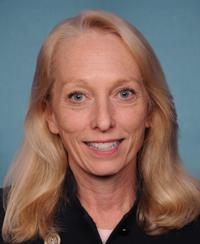
Mary Gay Scanlon
DDemocratPA-5 · Representative
57
/ 100
Average
Attendance98
Avg: 96
Independence2
Avg: 4
Bipartisan Tone16
Avg: 15
Ethics Record100
Avg: 99
Transparency59
Avg: 53
Accountability Score — composite of attendance, independence, bipartisan tone, ethics record & transparency.
Methodology26
Bills Sponsored
0
Enacted into Law
0
Passed a Chamber
26
In Committee
All Sponsored Bills
HR10699In Committee
Dropbox Access Act
HR10700In Committee
Accessible Voting Act of 2026
HR10506In Committee
Packers and Stockyards Improvements Act
HR10103In Committee
Stable Homes Act
HR9878In Committee
Help Grandfamilies Prevent Child Abuse Act
The proposal would strengthen protections and support for children living with relatives (like grandparents or aunts and uncles) who are raising them outside the formal foster care system. It amends existing child abuse prevention laws to ensure these kinship families receive better access to services, training, and resources to keep children safe and healthy. This would affect millions of children in informal family arrangements and the relatives caring for them.
HR9763In Committee
SWIFT Act of 2026
The proposal would increase the monthly payments that disabled widows, widowers, and surviving divorced spouses receive from Social Security, providing them with more financial support after losing a spouse. These benefits would apply to people who became disabled before or around the time their spouse died and have been receiving reduced payments under current rules. The change would help vulnerable survivors who depend on Social Security as a major source of income.
HR9638In Committee
Sunshine for Our Kids Act of 2026
The proposal would make standard time the year-round default across the United States, allowing individual states to choose whether they want to observe daylight saving time instead. This would affect all Americans by potentially changing when the sun rises and sets throughout the year, depending on where they live. The change would impact everything from work schedules and school times to business operations and daily routines.
HR9482In Committee
Health and Location Data Protection Act of 2026
Companies that buy and sell personal information would be banned from trading sensitive data like social security numbers, financial information, and health records without explicit permission from the people involved. This would limit how data brokers—businesses that collect and resell personal information—can profit from Americans' private details. The restrictions would primarily affect data brokers and companies that rely on purchasing this information, while giving individuals more control over their most sensitive personal data.
HR9297In Committee
Pedestrian Protection Act
The legislation would require motor vehicles to meet new safety standards designed to protect pedestrians, such as improved visibility features and collision avoidance technology, and would mandate that manufacturers disclose safety-related information to the public. These requirements would apply to car makers and affect how vehicles are designed and sold to consumers. The bill aims to reduce injuries and deaths involving pedestrians struck by cars.
HR9076In Committee
Postal Data Privacy Act of 2026
The legislation would establish new privacy protections for personal information that the U.S. Postal Service collects and handles, requiring the agency to limit how it uses customer data and restricting who it can share that information with. The rules would apply to details like names, addresses, and delivery information that postal workers and systems gather during mail delivery and postal services. This would affect millions of Americans who use the mail system and want stronger safeguards over their personal data.
HR8997In Committee
Right to Representation Act
States would be required to provide free lawyers to children and parents involved in child welfare cases, such as those dealing with foster care or child abuse investigations, with the federal government helping to pay for these legal services. This change would apply to cases handled under the existing federal foster care and child protection program. The goal is to ensure that children and parents have legal representation to protect their rights during these proceedings.
HR8861In Committee
Department of Justice Integrity Act of 2026
The proposal would restrict what federal government lawyers can do after they leave their jobs, preventing them from immediately working for private clients on cases involving the same legal matters they handled while employed by the government. This rule aims to prevent conflicts of interest and protect the integrity of government legal work by ensuring former federal attorneys don't use insider knowledge gained from their government positions to benefit private parties in disputes against the United States.
HR8860In Committee
Corporate Prosecution Reform Act
The legislation would strengthen the federal government's ability to prosecute companies and their executives for criminal wrongdoing by clarifying laws and potentially increasing penalties for corporate crimes. This would affect large corporations, their leadership, and employees by making it easier for prosecutors to hold businesses accountable for illegal activities like fraud, environmental violations, or safety violations. The changes aim to deter corporate misconduct and ensure that companies face meaningful consequences when they break the law.
HR8862In Committee
No Special Immunity for Violating Our State Laws Act of 2026
The proposal would remove legal protections that currently shield federal law enforcement officers from being sued for certain actions they take while performing their duties. This change would allow people who believe they were harmed by federal agents—such as FBI, DEA, or other federal law enforcement personnel—to pursue lawsuits against those officers in some circumstances where they currently cannot. The measure affects both the officers who could face legal liability and the public members who might seek compensation for alleged misconduct.
HR8633In Committee
Competitive Prices Act.
This bill would change how courts handle antitrust cases involving companies that charge similar prices, making it harder for plaintiffs to prove that competitors illegally coordinated their pricing without direct evidence of an agreement. The legislation clarifies what counts as an illegal conspiracy under antitrust law, potentially protecting companies from lawsuits based solely on the fact that they happened to set prices at similar levels. The change would affect businesses facing antitrust claims and consumers who rely on antitrust laws to prevent price-fixing.
HR8392In Committee
No Free Passes for Cronies Act
This bill would change the rules for how prosecutors can ask courts to dismiss criminal charges against defendants. It would establish new procedures and conditions for when the government is allowed to drop indictments, informations, or complaints in federal criminal cases. The changes would affect how federal prosecutors handle cases and potentially impact defendants' rights during the criminal process.
HR8310In Committee
Patient Safety and Whistleblower Protections Act
This bill would protect doctors, nurses, and other health care workers from being fired or punished if they speak up about problems with patient care quality or safety at their workplace. The protections would apply to health care providers who report concerns internally to their employers or to government agencies, helping ensure that patient safety issues get addressed without workers fearing retaliation.
HR8126In Committee
Congressional Accountability Act Enhancement Act
This bill would likely expand workplace protections and accountability measures that apply to Congress and its staff, similar to rules that cover other employers. The changes would probably strengthen how Congress handles complaints about discrimination, harassment, or other workplace violations involving members and congressional employees. The goal appears to be making Congress follow the same standards it requires of other organizations.
HR7920In Committee
Take Back Our Hospitals Act of 2026
The bill aims to address concerns about hospital operations and ownership, though the specific provisions are not yet detailed in available materials. Based on its referral to committees handling healthcare and financial matters, it likely proposes changes to how hospitals are regulated, owned, or operated in the United States. The bill would affect hospitals, patients, and possibly healthcare workers and investors depending on what specific reforms it includes.
HRES1047In Committee
Recognizing January 2026 as "National Mentoring Month".
This resolution recognizes National Mentoring Month.
HJRES121In Committee
Proposing an amendment to the Constitution of the United States relating to contributions and expenditures intended to affect elections.
This joint resolution proposes a constitutional amendment authorizing Congress and the states to set reasonable limits on the raising and spending of money by candidates and others to influence elections. The amendment grants Congress and the states the power to implement and enforce this amendment by legislation. They are allowed to distinguish between natural persons and corporations or other artificial entities created by law, including by prohibiting such entities from spending money to influence elections.
HR4769In Committee
Foster Youth Mentoring Act of 2025
This bill would establish or expand mentoring programs to support young people in the foster care system, helping them develop relationships with trusted adults who can provide guidance and support. The legislation likely aims to improve outcomes for foster youth by connecting them with mentors who can help with education, career planning, and emotional well-being during their time in care and as they transition to adulthood. Foster youth, social service agencies, and mentoring organizations would be the primary groups affected by this program.
HR4724In Committee
Corporate Crime Database Act of 2025
The bill would create a public database that tracks criminal convictions and penalties for corporations and their executives, making it easier for the public, investors, and regulators to see which companies have committed crimes. This would affect large corporations and their leadership by increasing transparency around corporate wrongdoing, while potentially influencing how investors and consumers view companies with criminal histories. The database would help law enforcement and oversight agencies monitor patterns of corporate crime across industries.
HRES160In Committee
Recognizing January 2025 as "National Mentoring Month".
This resolution recognizes National Mentoring Month.
HR1269In Committee
Honoring Our Fallen Heroes Act of 2025
Honoring Our Fallen Heroes Act of 2025 This bill extends death and disability benefits under the Public Safety Officers' Benefits Program (PSOB) to certain public safety officers who suffer from exposure-related cancer while on duty and their survivors. The PSOB program provides death, disability, and education benefits to public safety officers who are killed or injured in the line of duty and their survivors. The bill specifies that exposure to a carcinogen shall be presumed to constitute a personal injury in the line of duty if the exposure occurred while the officer was in the line of duty; the officer began serving as an officer not fewer than 5 years before the date of the diagnosis of an exposure-related cancer and the diagnosis occurred not more than 15 years after the last date of active service; and the exposure-related cancer directly and proximately resulted in the death or permanent and total disability of the officer. The Department of Justice's Bureau of Justice Assistance must periodically review the definition of exposure-related cance r and update the definition if appropriate based on medical evidence and in accordance with the requirements of a petition process.
HR535In Committee
Inaugural Fund Integrity Act
Inaugural Fund Integrity Act This bill limits donations to inaugural committees and requires these committees to disclose donations and disbursements. Specifically, inaugural committees may not solicit, accept, or receive donations from corporations or foreign nationals. An individual may not make a donation in the name of another individual or authorize his or her name to be used to make such a donation. In addition, foreign nationals may not make donations or make promises to make donations to inaugural committees. Further, the bill caps the amount an individual may donate to an inaugural committee. Donations to inaugural committees may not be converted to personal use. Finally, inaugural committees must report certain information on donations and disbursements to the Federal Election Commission.